Meet
Perri
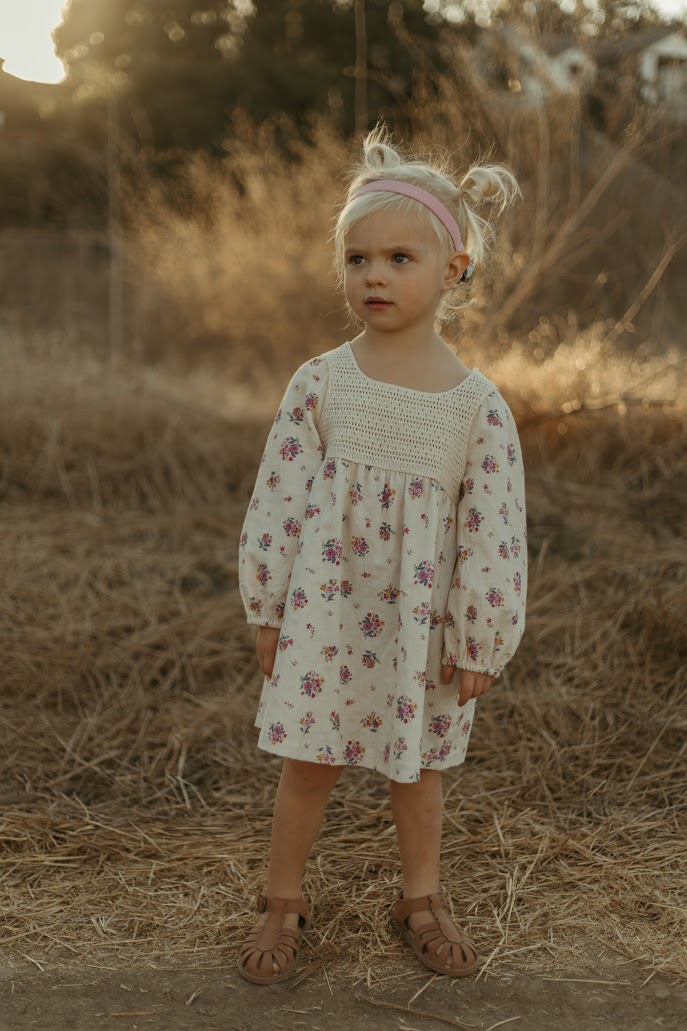
Measuring 20 inches tall and weighing 7.6 pounds, Perri made her long-awaited debut on September 19, 2021, at 2:55 a.m. A true social butterfly, she loves being at the center of attention and makes sure she’s never left alone for long—announcing her presence with a heart-melting roar for attention. You can’t help but smile as she draws you in with her piercing blue eyes and signature scrunch-nose smirk. She is the spunky light of our lives.
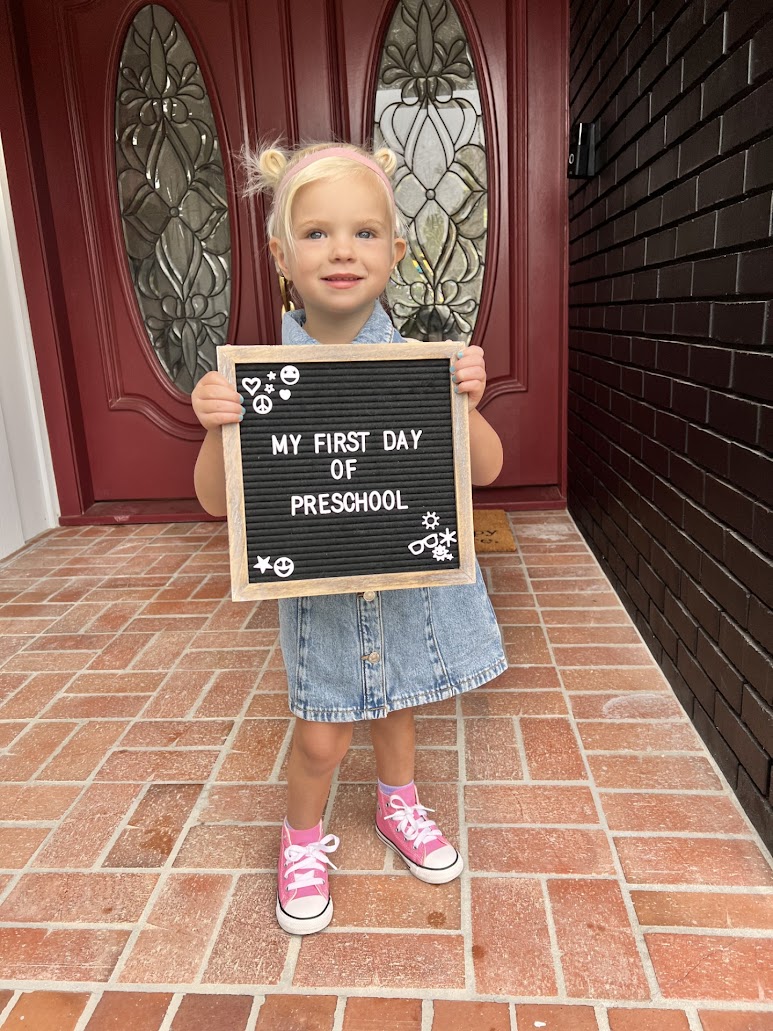
Now 4 years old and as cute as ever, Perri attends preschool and is enrolled in dance classes and swim lessons. She loves swimming in the pool, going to the beach, riding bikes and scooters with her big brother, Jack, and snuggling with our puppy, Dottie.
Now 4 years old and as cute as ever, Perri attends preschool and is enrolled in dance classes and swim lessons. She loves swimming in the pool, going to the beach, riding bikes and scooters with her big brother, Jack, and snuggling with our puppy, Dottie.
From the
beginning
Having opted out of a traditional gender reveal, our baby’s gender was a surprise to everyone—which made the moment it was announced that we were having a GIRL! even more special and unforgettable. That beautiful moment, however, was quickly overshadowed by every parent’s worst nightmare.
Within minutes of her birth, one of the nurse technicians mentioned that Perri’s feet appeared to be “clubbed.” Unsure of what that meant, we anxiously waited for the rounding pediatrician to visit the following morning. Thankfully, he reassured us that the unique positioning of her feet was likely due to her position in the womb.
We would later learn that Perri has oblique talus in both feet—a rare foot alignment—but one that is expected to improve and normalize over time.
Within minutes of her birth, one of the nurse technicians mentioned that Perri’s feet appeared to be “clubbed.” Unsure of what that meant, we anxiously waited for the rounding pediatrician to visit the following morning. Thankfully, he reassured us that the unique positioning of her feet was likely due to her position in the womb.
We would later learn that Perri has oblique talus in both feet—a rare foot alignment—but one that is expected to improve and normalize over time.

Never Assume that Loud is Strong & Silence is Weak
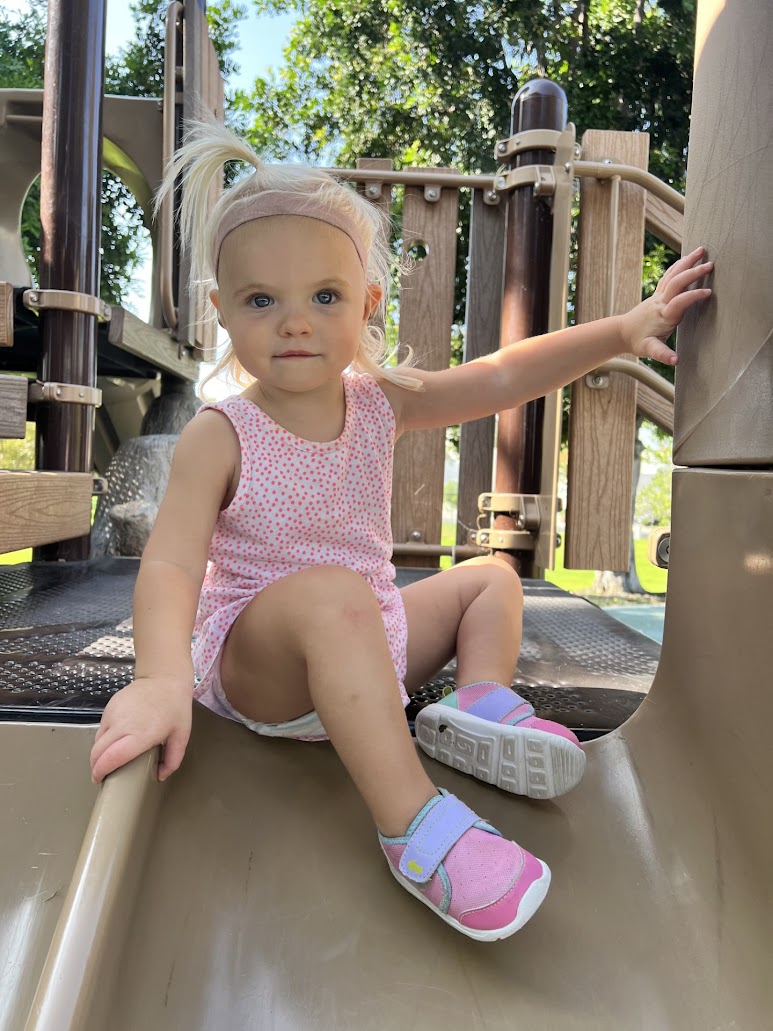
Just as we began to settle after that first scare, we were met with another—Perri failed her newborn hearing screening. She would go on to fail three additional hearing tests. After weeks of sleepless nights and unbearable anxiety, we learned at just five weeks old that Perri was born with conductive hearing loss caused by bilateral ear canal stenosis. Her ear canals are completely closed.
With no family history of hearing loss, navigating this diagnosis was both confusing and overwhelming, leaving us wondering how this could have happened. But we knew time was of the essence to support her speech and language development. Our focus immediately shifted to getting Perri her “ears”—bone conduction hearing aids (BAHAs).
After being deemed “unnecessary” and therefore uncovered by our health insurance, giving Perri the gift of sound became yet another challenge to overcome. Through sacrifice, and with the incredible love and support of our family, Perri heard Mama’s and Dada’s voices for the very first time at just nine weeks old.
With no family history of hearing loss, navigating this diagnosis was both confusing and overwhelming, leaving us wondering how this could have happened. But we knew time was of the essence to support her speech and language development. Our focus immediately shifted to getting Perri her “ears”—bone conduction hearing aids (BAHAs).
After being deemed “unnecessary” and therefore uncovered by our health insurance, giving Perri the gift of sound became yet another challenge to overcome. Through sacrifice, and with the incredible love and support of our family, Perri heard Mama’s and Dada’s voices for the very first time at just nine weeks old.
No Stone
Left Unturned
Before Perri’s 18q- and Trisomy 18p diagnosis, nearly every physician we met with dismissed her symptoms as “womb positioning” and chalked her hearing loss up to “bad luck.” However, Jan’s motherly intuition—combined with her healthcare knowledge—told her otherwise.
We had to push, advocate, and jump through countless hoops to ensure Perri received the attention she deserved. After meeting with Perri’s pediatrician, she became a strong advocate for our family within Kaiser, coordinating consultations with ENT physicians, audiologists, orthopedic surgeons, optometrists, and many others.
It wasn’t until we met with an instinctive neurologist who suggested a genetic blood screening that we finally began to find answers. She, too, was a parent and understood that we were living every parent’s worst nightmare—our concerns repeatedly dismissed as routine infant symptoms. She knew this simple, standard test could provide clarity and, hopefully, the peace of mind we were desperately praying for.
On Wednesday, November 24, 2021, as we prepared to host our family for Thanksgiving, we received a call from the neurologist. At last, the answer to our endless question—why?—was revealed. Perri had an unusual anomaly on her 18th chromosome and was subsequently diagnosed with a rare Chromosome 18 condition: Distal 18q Deletion
We had to push, advocate, and jump through countless hoops to ensure Perri received the attention she deserved. After meeting with Perri’s pediatrician, she became a strong advocate for our family within Kaiser, coordinating consultations with ENT physicians, audiologists, orthopedic surgeons, optometrists, and many others.
It wasn’t until we met with an instinctive neurologist who suggested a genetic blood screening that we finally began to find answers. She, too, was a parent and understood that we were living every parent’s worst nightmare—our concerns repeatedly dismissed as routine infant symptoms. She knew this simple, standard test could provide clarity and, hopefully, the peace of mind we were desperately praying for.
On Wednesday, November 24, 2021, as we prepared to host our family for Thanksgiving, we received a call from the neurologist. At last, the answer to our endless question—why?—was revealed. Perri had an unusual anomaly on her 18th chromosome and was subsequently diagnosed with a rare Chromosome 18 condition: Distal 18q Deletion
What is
distal 18q
distal 18q
Distal 18q- occurs when a piece of chromosome 18 is lost. This means there is one copy instead of two for each of the genes in the deleted region of the chromosome. This anomaly likely occurred in the egg or sperm prior to conception or very shortly after conception. There is no known cause of dist al 18q-. There is a great deal of variability among people with distal 18q-. At this point in time, it is impossible to predict exactly how it will affect a person. However, knowing about this diagnosis helps families and their health care team know what to look out for.
Distal 18p- (Learn More)
What is
Trisomy 18p
Trisomy 18p
If a person has a duplication of the short arm of chromosome 18, they have trisomy 18p. In general, it appears that individuals with trisomy 18p or partial trisomy 18p have few, if any, major birth defects or abnormalities. Some people with partial or full trisomy 18p have some degree of developmental delays or intellectual impediments. If an individual has trisomy 18p as well as some extra material from 18q, they are more likely to have significant medical and developmental problems.
Distal 18p- (Learn More)
Unknown
Journey
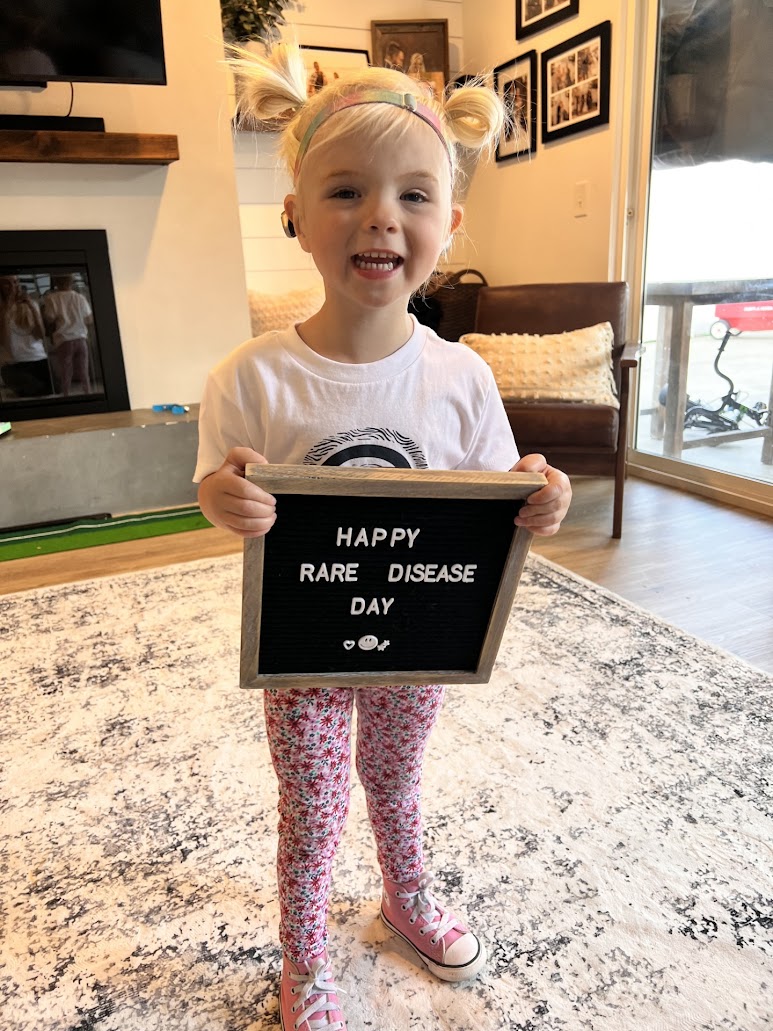
Our “new normal” and Perri’s journey ahead may be unknown, but we are committed to giving her every opportunity to thrive. Most importantly, we won’t let this challenge define who she—or our family—is. Instead, it will be a small part of her story. This is not who Perri is; it is just one ingredient in the full recipe of her life. What will truly define her is her courageous spirit, her joy for life, and her role as our beautiful daughter and Jack’s baby sister.
Show Your
Stripes!
Stripes!
The zebra, with its distinctive stripes, is the official symbol of rare diseases in the United States. When you see a zebra, you know it’s a zebra—but no two zebras have identical stripes just as no two people are identical. While we are all unique, there are many commonalities that unite us all.


